
Lost Opportunities
Baking Time #5

Dear Readers,
Welcome back to Baking Time, a special series of letters that explore bread and baking explorers, like Gretchen Kopmanis of Czechbox Bakery. Have any of you Michiganders had the luck to try her baked goods? I’m so happy to get a taste of her experiences, and to share her mission with you.
This week’s piece cuts close to home. My grandmother, a first generation American, died when I was 9. Her mother was born in Poland. I have very few ties to Slavic cooking, so I’m grateful for Gretchen’s commitment to keep these “blueprints of belonging” alive.
As this part of the series comes toward a close — I have another piece of Gretchen’s to share after this one — I want suggestions. Do you have a baking story you want to tell, or something you want me to tell?
I hope your time is wide enough that you get to be in the kitchen soon.
Amy
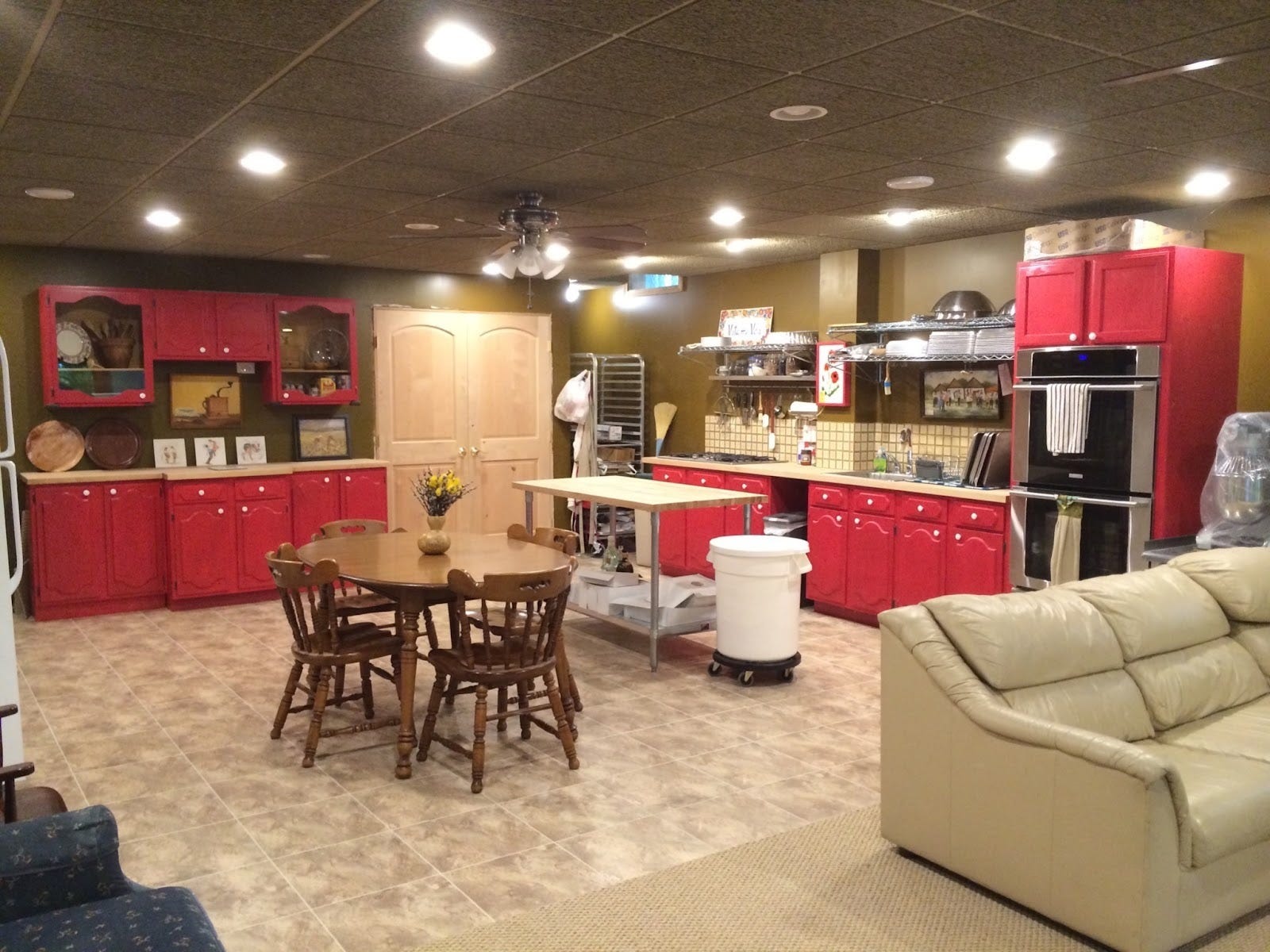
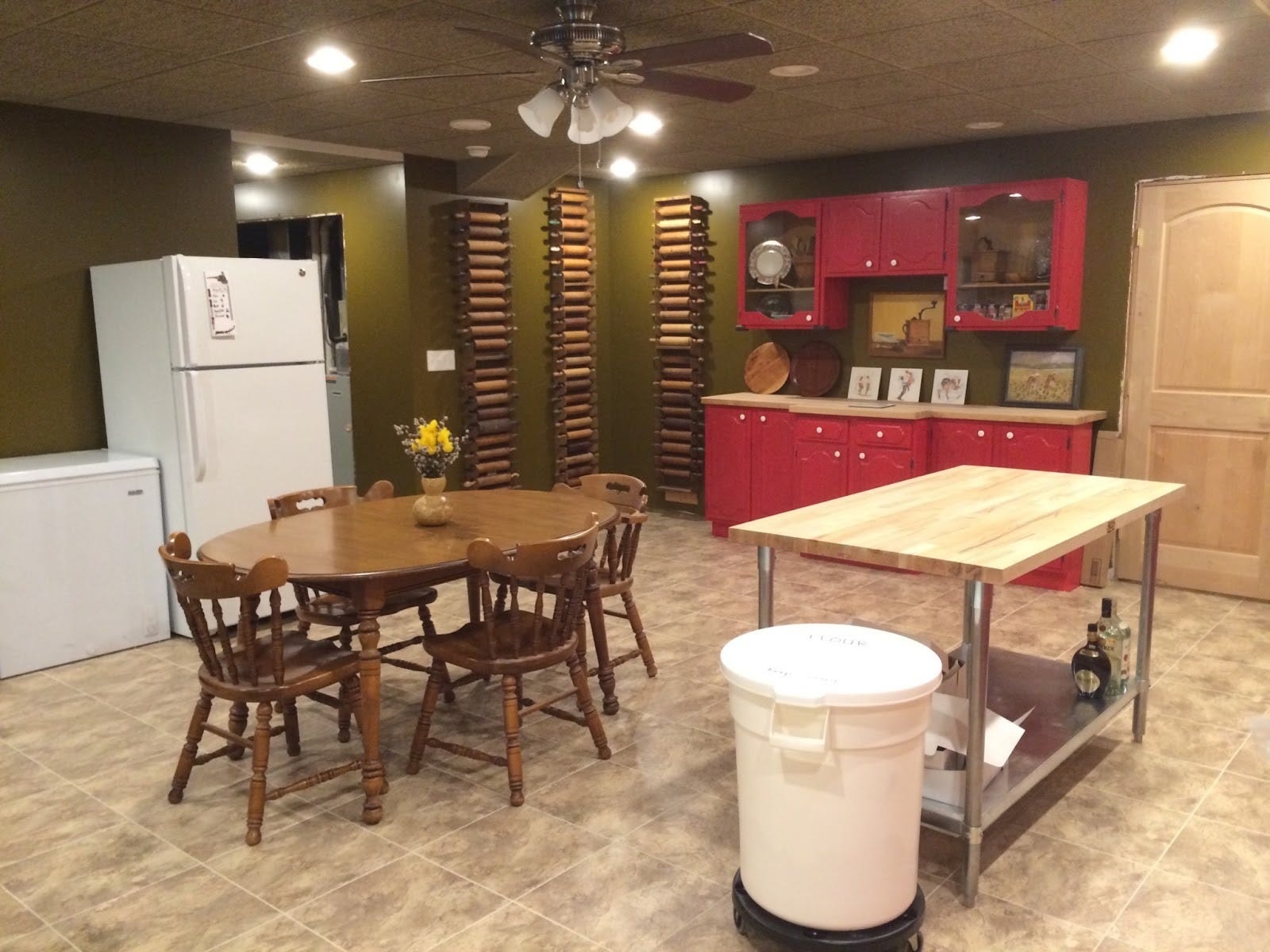
About the author: Gretchen Kuehnlein-Kopmanis is a director of financial support programs at the University of Michigan. To keep her family’s heritage recipes alive, she started a cottage food business in 2012 called Czechbox Bakery, specializing in Eastern European and Baltic baked goods. “Being a European bakery means my ingredient palette is different from an American bakery. Eastern Europeans use poppy seed, not peanut butter; English walnuts, not Southern pecans; apricots, not peaches. Being a heritage bakery means I only use ingredients that were available in the 1850s.”
The older I (Gretchen) get, the more I’m struck by how much of my identity was formed in a tiny farm kitchen; a kitchen so small there was an enormous pastry board sitting on the stove top, as the only work surface beside the kitchen table. My grandmothers were women who didn’t simply measure flour; they measured out identity, love, stubbornness, and history in every scoop. As children, my grandmother taught us Czech folk songs, the kind with melodies you could feel in your bones even if you didn’t understand all the words. During the holidays she’d pile her six young grandkids into her AMC Gremlin like it was a clown car, and off we’d go, rattling down snow-slick Michigan roads to sing for our Czech relatives.
When my cousins and I talk about it now, we can’t help but laugh, and cringe, wondering why our parents allowed it. Six kids and one determined grandmother wedged into that itty bitty car, barreling through blizzards on Christmas Eve. One slippery skid could’ve wiped out an entire branch of the family tree. But somehow we always made it, windburned and over-sugared, delivering songs like tiny frostbitten ambassadors of the old country. It was just the era, I suppose. The same time when commercials casually asked, “It’s 9 o’clock. Do you know where your children are?” as if the correct answer might very well be “In an AMC Gremlin singing ‘Dobrou noc’ to elderly relatives.”
Whenever I came over to bake with her, she’d already have the Czech polka music blasting from “the music room.” The tubas, accordions, and bass drums shook the walls like a festival happening three feet away. I’d walk in and instantly feel folded back into something ancient and joyful, like learning a secret language handed down in powdered sugar and brass instruments.
Her real passion, however, was painting. She tried so hard to plant that seed in me, passing me brushes, ceramic molds, tubs of slip, anything she thought might spark the same fire she carried. But words were always my medium. Sentences came more easily than brushstrokes. Baking became our middle ground, where her love of color and my love of story blended into something warm and edible.
Now, as I share these recipes — the same ones I learned with my face flecked in flour that she flicked at me and polka music shaking the floorboards — I keep meeting people who never had those moments. People who were too young, too busy, too far away, or simply unaware that their mothers and grandmothers were carrying entire histories in their hands. I hear it over and over: “I haven’t had this since my mom died.” And every time, that sentence knocks the air out of me. There’s so much grief tucked into it, and so much longing, as if they’re trying to step back into a room that time has locked behind them.
And that’s what makes me fiercely protective of these recipes. My passion is keeping them alive, sharing them with others. They’re not just ingredients. They’re blueprints of belonging. Every fold, every rise, every sprinkle of poppy feels like an incantation against forgetting. When someone tells me that something I baked tastes like home — their home, the one they can’t physically return to — it feels like the closest thing we have to time travel. For just a moment, we’re not only feeding people. We’re resurrecting their memories, keeping fragile, precious things alive that might’ve disappeared.
And the more I talk with people, the more I realize how easy it is for those memories to slip through our fingers without us even noticing. One generation forgets to ask, the next forgets the stories existed at all. Traditions dissolve quietly, not with drama, but with simple inattention: a recipe not written down, a song not sung, a holiday dish skipped “just this once.”
But it doesn’t have to be that way.
We don’t need grand gestures or perfect timing to hold onto what matters. Sometimes it’s as small as asking a parent or grandparent to show you how they fold dough or season a gulyás.1 Sometimes it’s recording their voice while they tell a story, even if they ramble or repeat themselves. Sometimes it’s snapping photos of recipe cards before they yellow into illegibility, or sitting at a kitchen table with a cup of coffee and asking questions you always assumed you’d get another chance to ask.
We think we’ll have time. We always think we’ll have time.
But memories fade, people leave, and every family loses little threads of who they are unless someone bothers to gather them up.
So if you still have the chance — ask. Learn the recipe. Hear the story again. Watch their hands while they work. Let their voice become something you can return to. And if you don’t have anyone left to ask, then share what you do remember, however fragmented or imperfect. Pass it forward to your kids, your nieces and nephews, your friends, or even strangers on the internet who are hungry for connection.
Your stories matter. Even the small ones, even the silly ones, even the ones about being dangerously overpacked in an AMC Gremlin on Christmas Eve with polka music still echoing in your ears.
Because one day, someone might taste a cookie you made, or a braided loaf you shaped, and suddenly remember a room they thought they’d lost forever. You might be the person who helps restore a piece of their heart they didn’t know could still be found.
And that, to me, is the real magic hidden in these old family recipes: they don’t just feed us. They keep us tethered. Tethered to each other, to where we came from, and to the people who shaped us with flour-dusted hands and stories we didn’t realize were treasures at the time.
So hold onto those memories. Hunt them down if you must. Protect them. And most of all, share them, because they can only stay alive if we keep passing them around, like a beloved sour starter, from one set of hands to the next.
Goulash!
I love this series!! I too am passionate about food history and the stories connected. Thank you!
One day I hope to write a book, website, blog something publishing recipes and stories for Mennonite Peppernuts.
pfeffernusse.
I married into this traditional cookie that looks like dog treats. They are spectacularly perfect. And I have collected some good stories and recipes.
One day. When I can. For now, I just collect them. Stories and recipes!! I wish I had more pictures too. The family kind.
Food connects people.
I lived in Poland for awhile. I love Polish foods.